The Kid You Used to Be
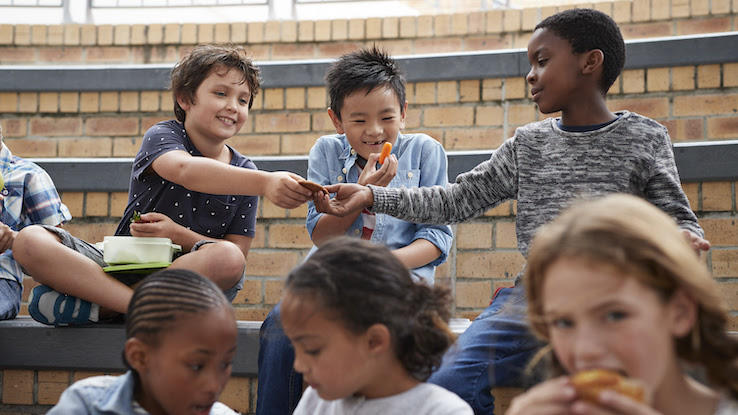
Without a dubiousness, 2020 was a difficult year for all of usa. For schoolhouse-anile children, navigating the COVID-19 pandemic safely too entailed adjusting to virtual learning and distancing from their friends. Simply as many students return to the classroom — and every bit some enter a classroom for the first time — some other hurdle looms. Merely like adults, kids will have to learn to be around other people again, including peers with identities and experiences that differ from their own.
With this in mind, information technology's important to develop strategies to teach kids empathy and kindness early on on, peculiarly as they begin to socialize in person again. Activities like part-playing and reading are only a few ways to assistance students connect with their emotions also equally the emotions of others. Here, we've rounded upward a few great activities that teach empathy — for kids and adults.
Having story time with younger children or offering new reading material to older children can exist a corking opportunity for children to learn empathy. If illustrations are used in the story, yous can see if younger kids tin can name the emotions of the characters' faces. Ask the children how these characters might be feeling and if they have ever felt the same way (scared, excited, etc.). Additionally, let them see that y'all are concerned for or continued to the characters as well and so they can meet that it's important to intendance for the well-existence of others.
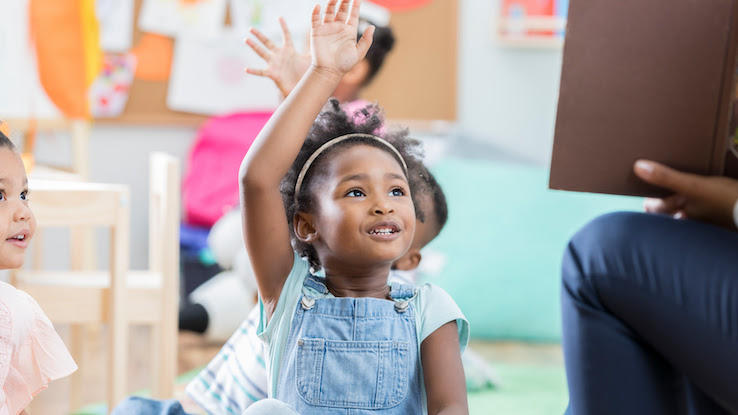
For kids who are older, teachers or parents can provide special questions or journal prompts to improve empathise the characters in their books. The questions may ask scholars to imagine what the characters might feel when making different choices or in their current circumstances.
Older Children Tin can Write Out Feelings in an Emotion Journal
An emotion journal is a great manner for kids to begin to connect with their own feelings. Teachers and parents alike can comprise journal fourth dimension at a certain point in the day to allow them to write near their highs and lows.
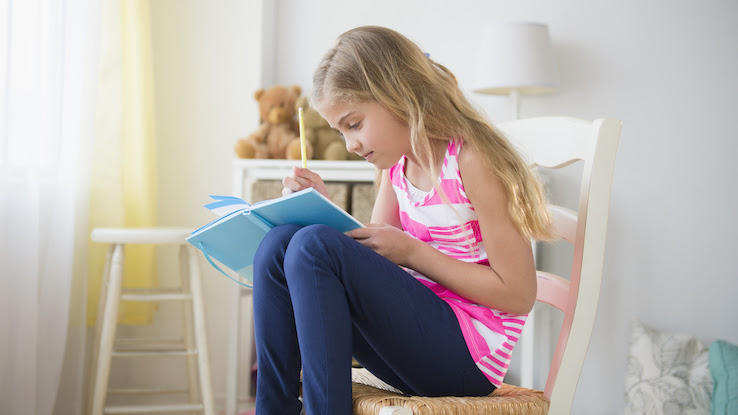
Children tin share parts of their journal entries with their peers if they are comfortable. Ultimately, writing out their feelings (and maybe sharing them with others) allows them to learn to limited themselves healthily. If kids hash out their feelings — or permit them out in a salubrious way — they can brainstorm to build empathy past relating to each other.
Random Acts of Kindness or Volunteering Will Encourage Kids to Bear witness Empathy
Doing random acts of kindness or taking function in a volunteer feel will help kids learn to call back about other people'due south feelings, and perhaps put them ahead of their own. Teachers or parents can create a jar or chart where a pupil can track one act of kindness completed during the week.
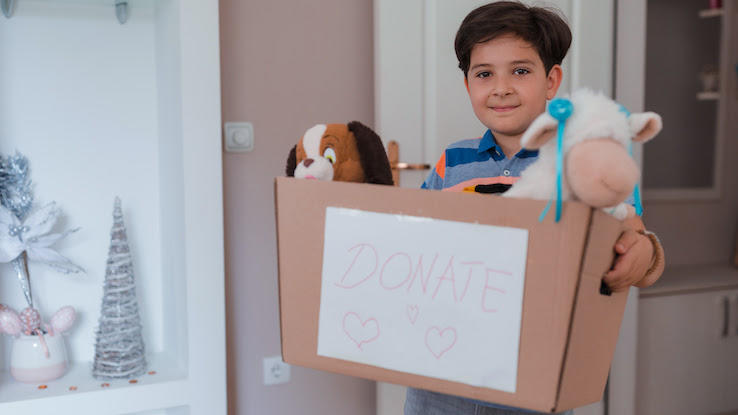
Information technology'due south also great for children to discuss how existence kind makes people feel good as opposed to bullying or mean acts that make people feel bad. Their behavior tin can be reinforced besides by talking well-nigh how volunteering or the act of kindness made them experience as well. Likely, they will be excited and happy that something they did helped someone else.
Children Tin can Create 'Feelings Collages' to Learn Emotions
For younger kids, especially those who are shy and tranquillity, creating a "feelings collage" will assist them limited their emotions. With this unique collage, they tin can larn to read faces, torso language, and the emotions of others as well.
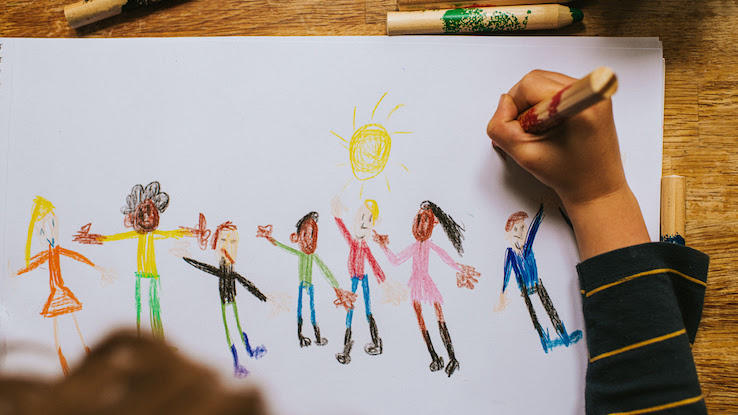
Children can cut and mucilage pictures from magazines onto poster boards or structure newspaper. These pictures would have people expressing whatever kind of feeling (happiness, sadness, fear, etc.). Kids could fifty-fifty characterization the images they glue with a feeling discussion, and, later, share with their peers if desired. The collages tin be used at school or dwelling to practice identifying and labeling feelings. If they want to really get creative, kids tin try their hand at creating drawings of unlike people with various emotions.
Imaginative Roleplay Helps Students See Emotions in Real Life
Roleplaying allows kids to encounter circumstances from a completely dissimilar perspective than their ain. Teachers or parents can encourage children to step into the shoes of someone dissimilar from them, asking them nigh different scenarios like, What if you were at a new school without any friends? or If you saw someone getting bullied, what would you lot do — and how would you experience?
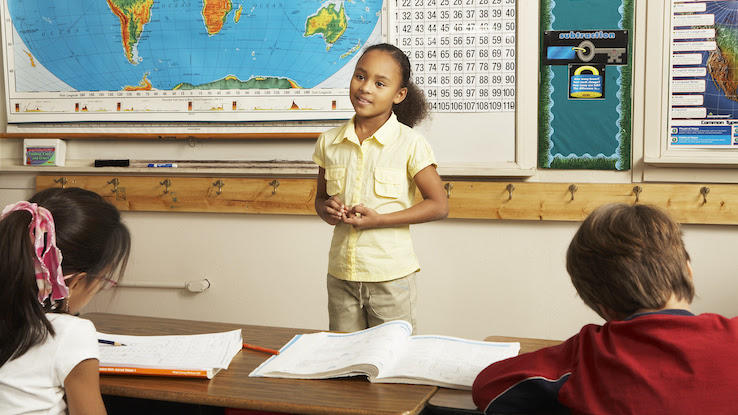
While watching someone act out a "role," other kids could chime in about the faces or body language of the person. This allows them to learn to read people better, which can be a major pro in the future as an adult. Roleplaying similar this actually helps put circumstances into perspective and even helps change behaviors. Plus, younger kids love to play pretend, and then information technology's a win-win!
Teachers and Parents Should Model Empathy to Kids
You've certainly heard of the saying, "Exercise as I say, not as I do." That volition certainly non help teach empathy. While kids may pick upwardly some practiced habits that are taught by parents, teachers, and other authorisation figures, children model what they come across, even if the adult isn't aware that they're existence observed. Kids are e'er paying attending, so information technology'south important to model compassionate beliefs every bit much equally possible.
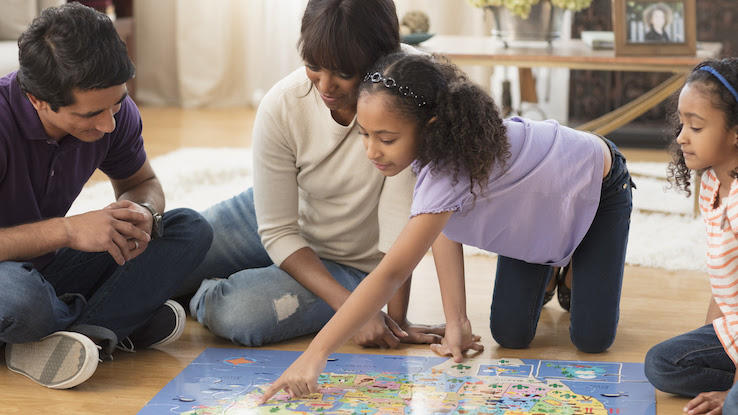
For example, teachers should exist mindful of their interactions with other adults whether in-person or on screen. Parents should be careful not to snap at or belittle each other or their children at home. While trying to completely avoid disharmonize is impossible, how we speak to and treat each other matters.
Resource Links:
- "Developing Empathy: viii Strategies & Worksheets for Becoming More Empathetic" via Positive Psychology
- "20+ Strategies for Teaching Empathy" via Pathway two Progress
- "Empathy Activities" via Education Evolution Center
- "5 Activities for Edifice Empathy in Your Students" via Brookes Web log
honeycutttherharded.blogspot.com
Source: https://www.symptomfind.com/health/activities-that-teach-empathy?utm_content=params%3Ao%3D740013%26ad%3DdirN%26qo%3DserpIndex
0 Response to "The Kid You Used to Be"
Post a Comment